 02/12/2026
 BUILDLAB
 4 min read
Door Access Control for Affordable Housing: Mobile Credentials and Resident Experience
Card readers, mobile credentials, video intercoms, keypad systems. What works in affordable housing — and what blows the budget for no reason.
Door access systems for affordable housing have to balance three things: resident usability, property management workload, and lifecycle cost. The flashy enterprise systems sold to luxury multifamily are usually overkill — and often underperform on the basics.
Mobile-first credentials
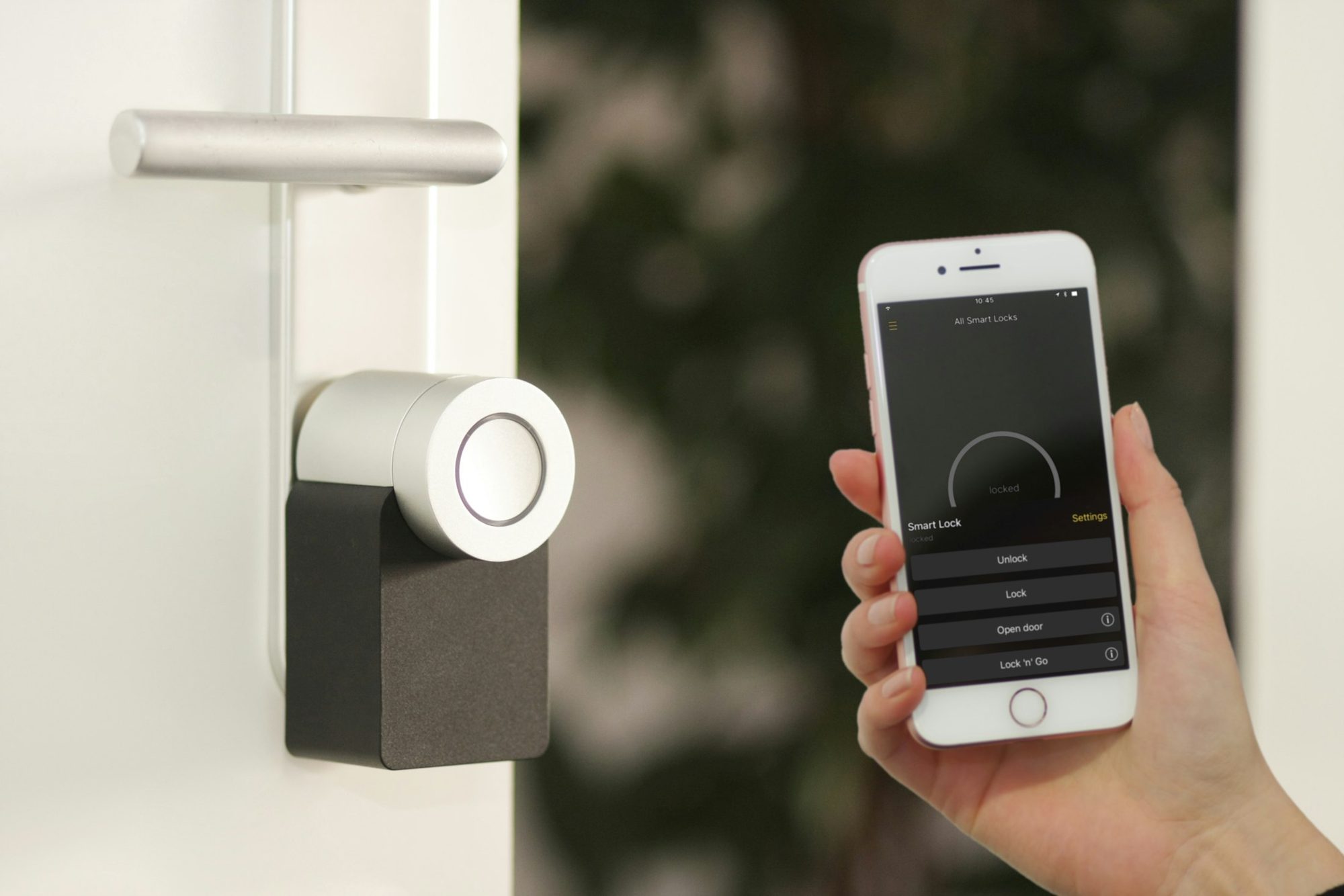
Residents already carry phones. Mobile credentialing (ButterflyMX, Latch, and similar systems) reduces lost-card overhead for property management and eliminates the cost of physical fobs. For affordable housing residents, mobile also avoids the per-card replacement fee that can become a financial barrier.
Video intercoms
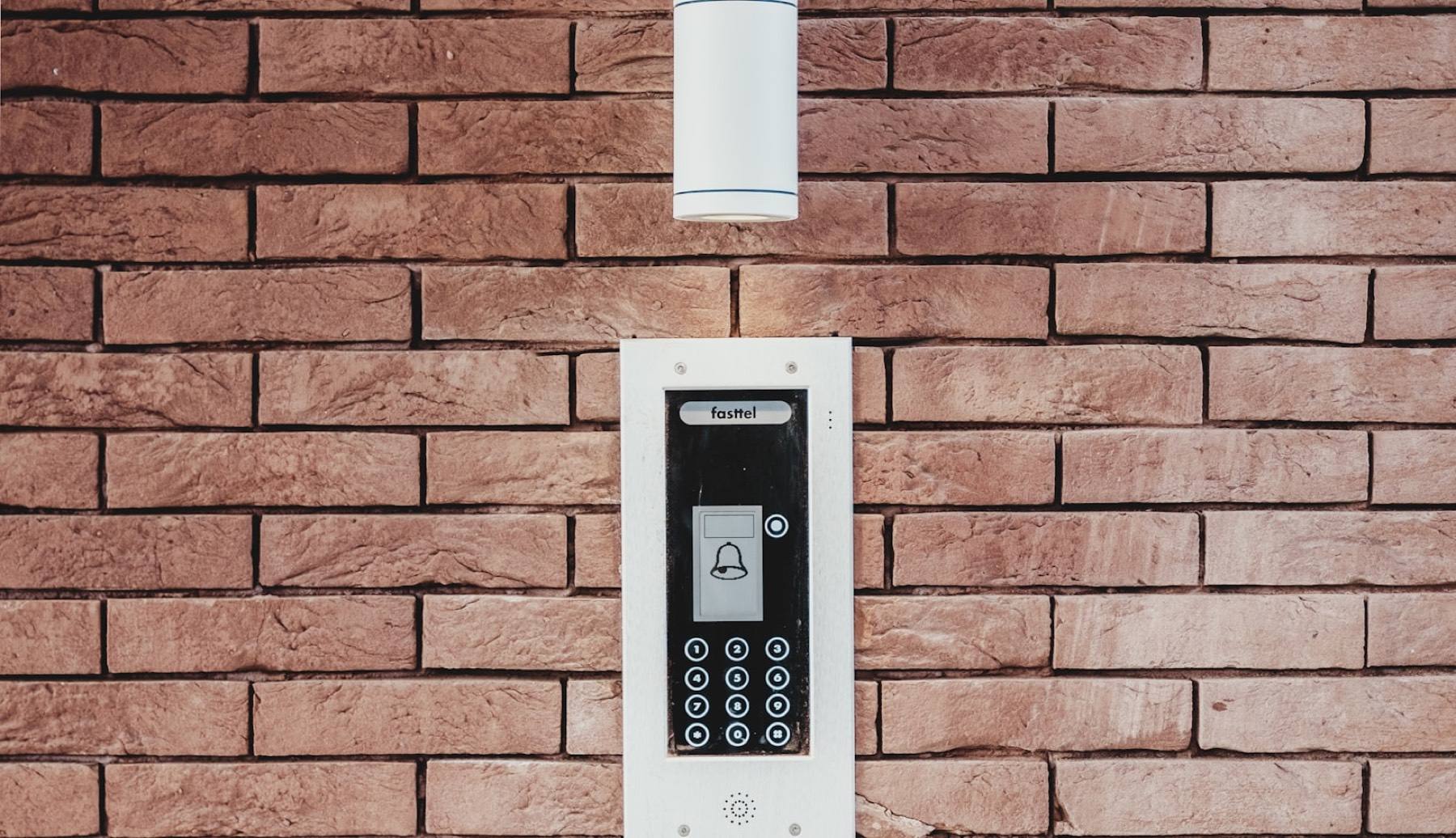
A video intercom at the main entry, integrated with mobile, lets residents see and admit guests from anywhere. The hardware cost is offset by the operational savings — fewer trips to the leasing office, fewer key copies, faster move-ins.
The keypad backup
Every mobile-first system needs a keypad fallback. Residents lose phones. Guests forget the app. A well-designed access system has both, integrated with the same backend so the property manager has one console to administer.
Where developers overspend
Architect-only door access designs frequently spec a card reader at every door — including doors that do not actually need credentialing (utility rooms, supply closets). A design review usually cuts the door count by 20–30% with no security loss.