 01/29/2026
 BUILDLAB
 5 min read
Surveillance System Design: NVR vs Cloud-First for Multifamily Properties
Both have trade-offs. The right answer depends on camera count, retention requirements, and how often property management actually pulls footage.
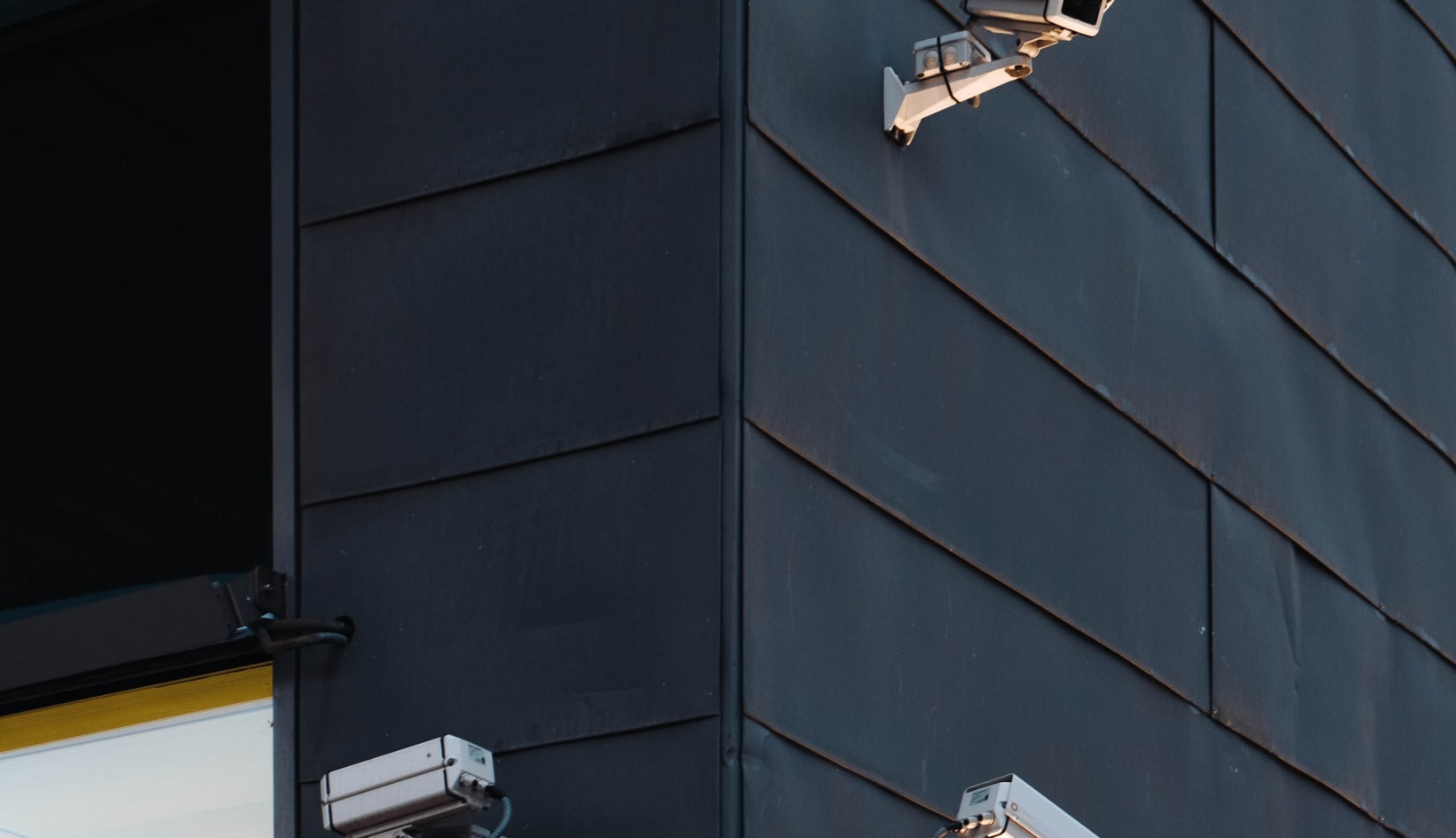
The surveillance system question is no longer “which brand” — it is “where does the footage live.” On-site Network Video Recorder (NVR) and cloud-first architectures have very different cost curves and very different operational implications.
Why on-site NVR still wins for most affordable housing
NVR systems have one-time capital cost and predictable ongoing electricity. Cloud systems trade that for monthly per-camera SaaS fees that scale linearly with camera count. For a 200-unit building with 24 cameras, a cloud subscription pays back the NVR cost in 18–24 months — and keeps charging after that.
When cloud-first makes sense
- Small camera counts (under 10) where the NVR capital cost is hard to justify.
- Multi-property operators who want unified footage access across a portfolio.
- Operators with weak on-site IT capacity who need a vendor-managed service.
Retention
Most affordable housing operators retain 30–60 days of footage. That is well within NVR capacity for a sensibly-sized rack and within cloud’s default plans. Beyond 90 days, both systems start adding cost.
The hybrid pattern
Many newer designs use on-site NVR for primary storage with selective cloud upload for flagged events. That gives the cost profile of NVR with the off-site backup that insurance carriers increasingly ask for.