 06/06/2026
 BUILDLAB
 6 min read
Modular Affordable Housing in California: Designing Low-Voltage for Factory-Built Units
California is calling 2026 the “Year of the Housing Factory.” Factory-built units cut cost and time — but the low-voltage, fiber, and smart-building scope has to be designed for off-site construction, or it falls apart at field integration.
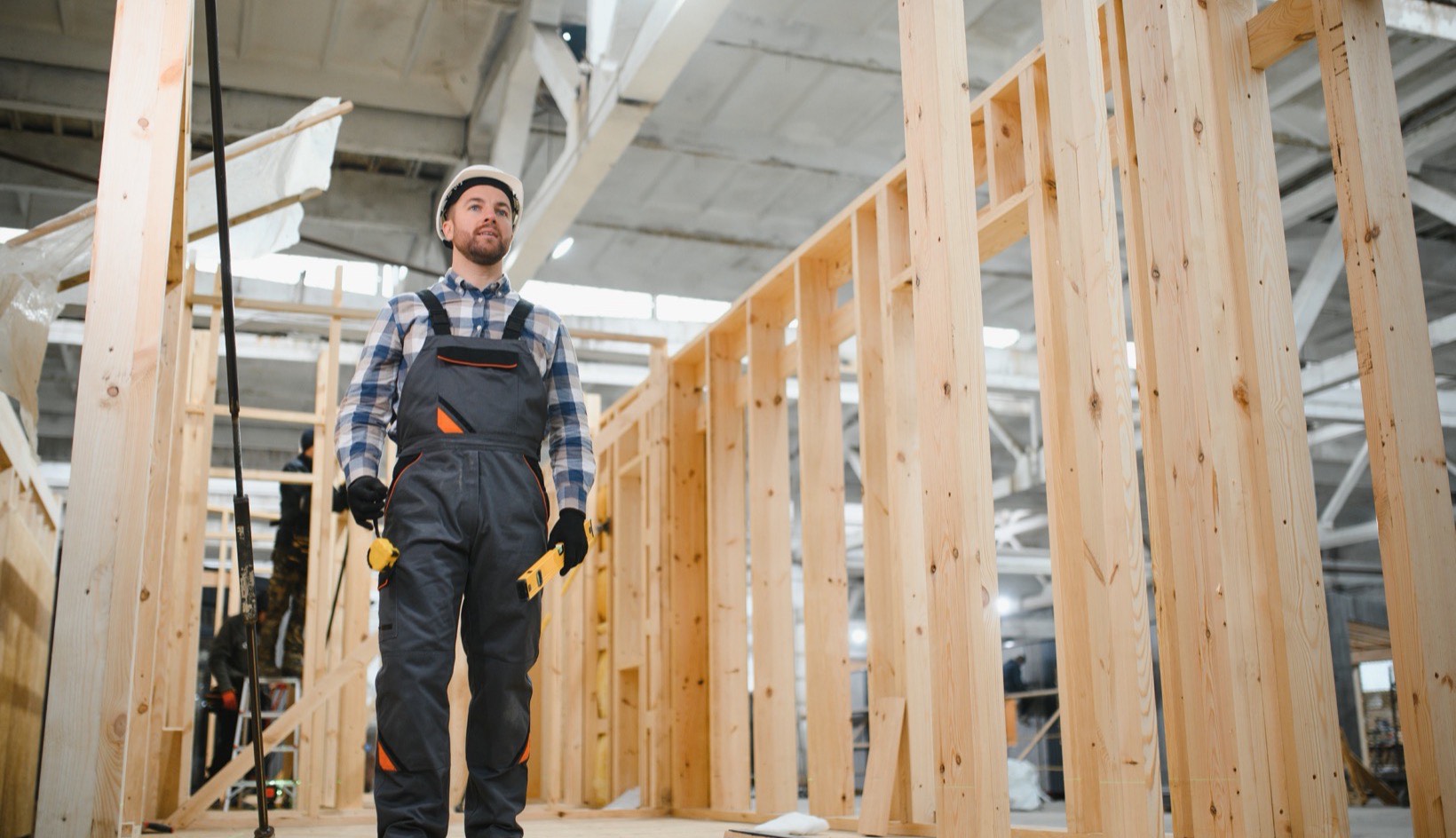
With AB 1815 and a statewide push, factory-built construction is being positioned as the future of affordable housing — proponents cite up to ~20% cost savings and roughly 50% faster timelines. But the technology scope has to be rethought for off-site construction, where the low-voltage rough-in happens in a factory and the integration happens months later in the field.
Why modular breaks the usual low-voltage workflow
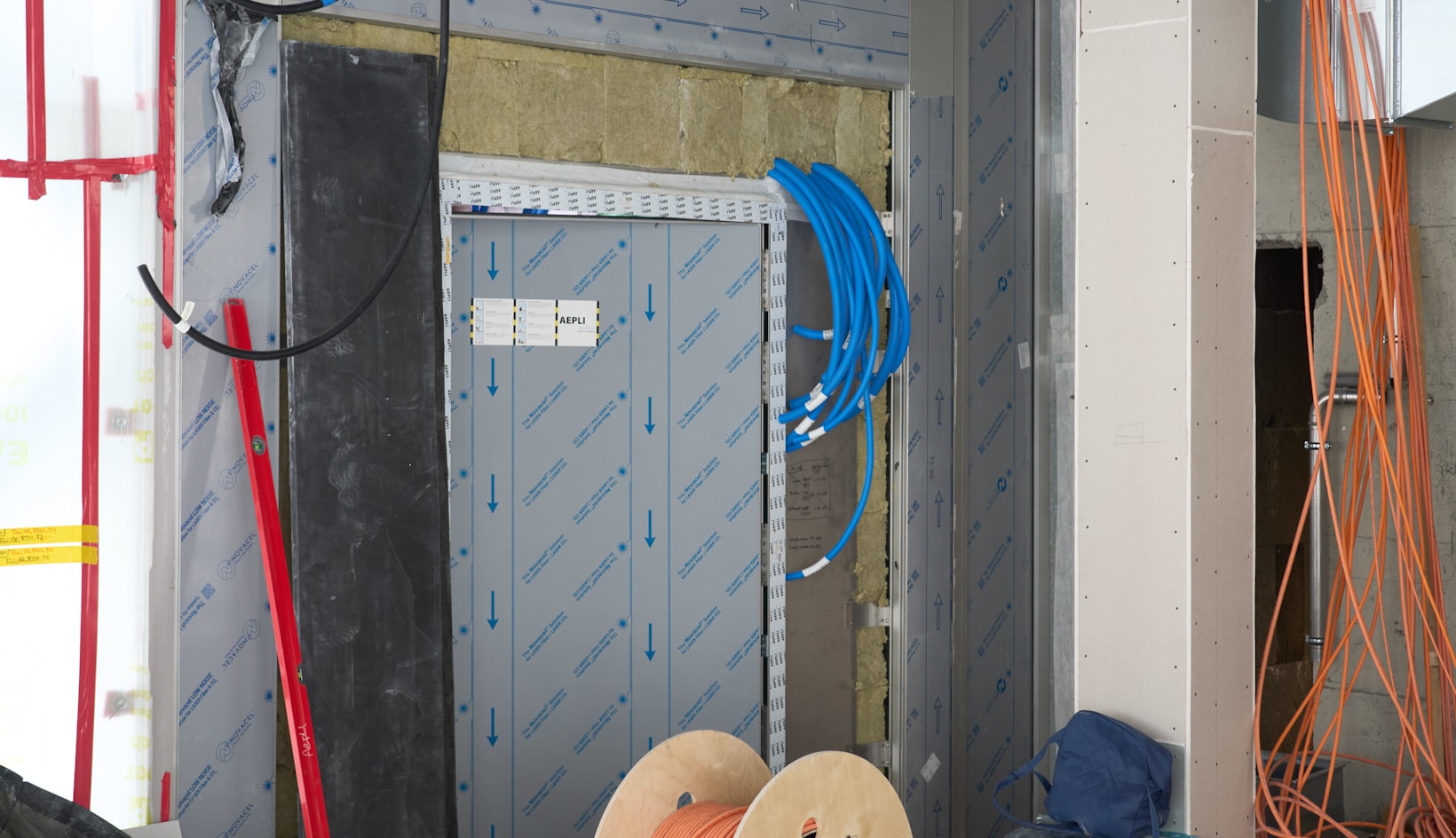
In stick-built construction, low-voltage rough-in follows framing on site, in sequence. In modular, the box is built in a factory — often hundreds of miles away — then trucked in and stitched together. Cabling pathways, module-to-module connections, MDF/IDF locations, and the fiber and network backbone all have to be planned for that split: factory rough-in plus field marriage, decided before the first module is built.
The pitfalls we see
- Cabling that stops at the module edge with no coordinated module-to-module pathway.
- MDF/IDF rooms designed for a stick-built sequence that doesn’t match factory delivery.
- No plan for who terminates and tests at the factory versus in the field.
- Smart-building, IoT, and access control specced late — after the modules are sealed.
- Fiber and broadband infrastructure not coordinated with the modular vendor’s standards.