 05/15/2026
 BUILDLAB
 7 min read
Low-Voltage and Fiber Construction for Multifamily: A Developer’s Field Guide
New construction is the only chance to do low-voltage and fiber right at this cost. A practical guide to scope, sequencing, and decisions that compound for 30 years.
Every developer we work with eventually arrives at the same realization: the cheapest moment to install the right low-voltage and fiber infrastructure is during new construction. Retrofitting a finished building for fiber-to-the-unit or upgraded WiFi backbone costs multiples — sometimes an order of magnitude — more than doing it the first time. This is the field guide we wish every developer had before schematic phase.
Scope of the low-voltage package
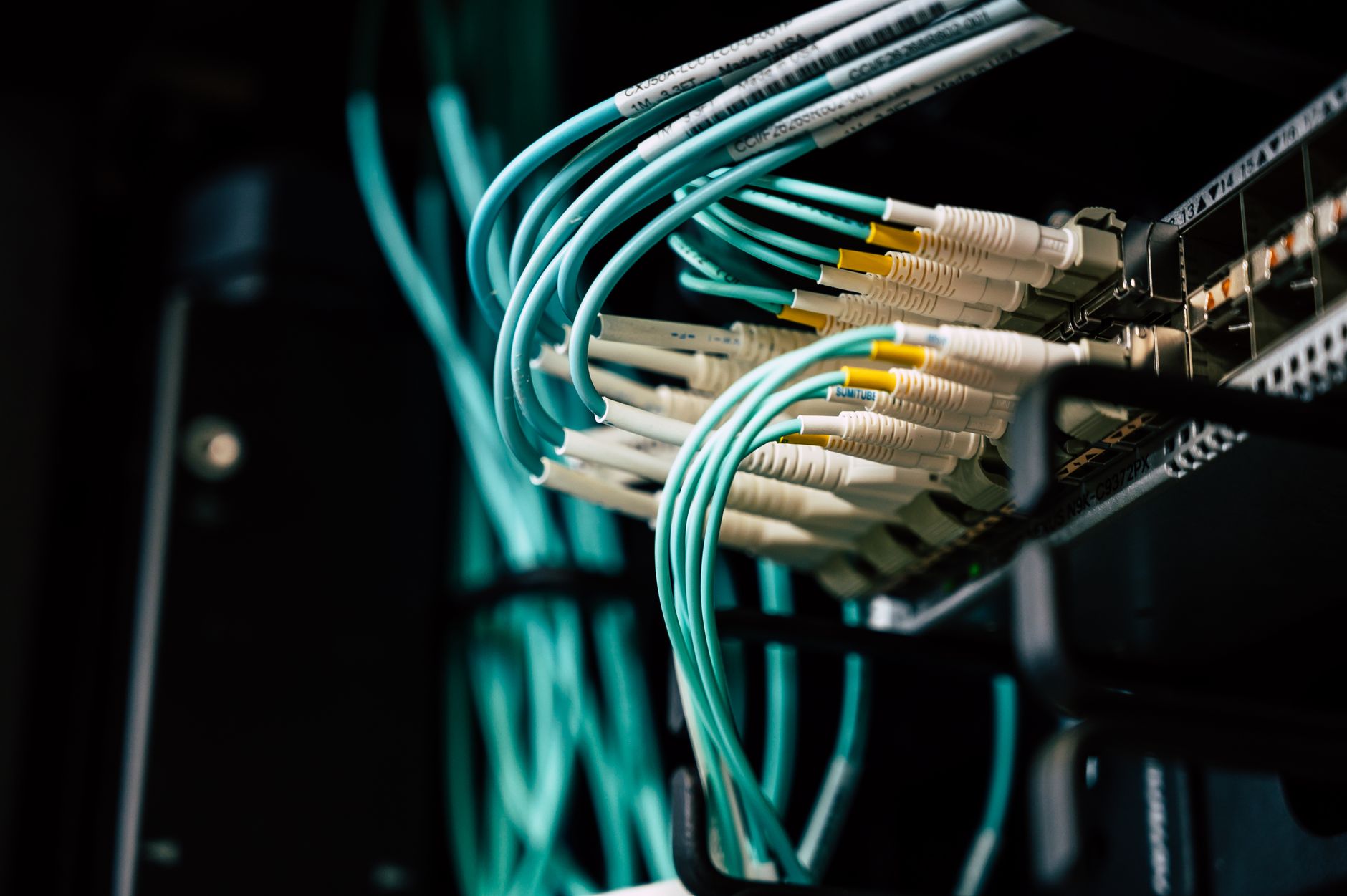
- Structured cabling — fiber backbone from MDF to IDF, Cat6A to every AP location and to every unit if fiber-to-the-unit is in scope.
- Wireless distribution — AP density designed for actual device count, not bedroom count.
- Surveillance backbone — IP cameras and NVR/storage with PoE+ capacity.
- Door access wiring — strikes, readers, intercom risers, fail-safe vs fail-secure decisions per door.
- Fire and life safety integration — Division 27/28 coordination with the LV scope so the fire alarm vendor does not own the network design.
- Conduit pathways — sized for cabling we have not invented yet. Future-proofing is cheap during pour, expensive after.
Fiber-to-the-unit or fiber-to-the-floor?
The decision rides on hold horizon and resident-facing revenue model. If the operator is going to deliver property-wide WiFi as an amenity (revenue-generating model), fiber-to-the-floor with high-density APs is usually sufficient. If the model is per-unit ISP service with carrier choice, fiber-to-the-unit is more flexible. For affordable housing, fiber-to-the-floor with Cat6A drops at AP and access-control locations covers most cases.
Sequencing in the construction schedule
The technology consultant has to be on the project at schematic design — not at bid. The cost of disconnecting LV scope from the MEP and architectural drawings shows up in change orders, conduit clashes, and rework. We get called in at bid phase often. We are always more useful, and cheaper, at schematic.
Common mistakes that show up later
- No dedicated MDF / IDF rooms — equipment ends up in maintenance closets without HVAC or grounding.
- Inadequate conduit pathways — riser pulls become demo events.
- Underspecified electrical — UPS and generator backup for the network are forgotten.
- Wireless designed by bedroom count rather than device count — building looks great in 2024, fails in 2027.
- Fire alarm contractor designing the low-voltage scope by default.
Cost vs revenue framing
On a typical 100-unit affordable housing project, a properly designed low-voltage and fiber package is generally in the $250–400K range depending on building geometry and ISP arrangement. Against that, the same scope can earn TCAC broadband points, qualify for CASF grant funding (which can offset most of the cost), and produce ISP door fees in the $50–150K range over the construction-to-stabilization window. Done well, the scope is approximately net-zero in capital terms while producing 30 years of operating leverage.