 05/18/2026
 BUILDLAB
 7 min read
Fiber-Backed WiFi: The 2026 Multifamily Infrastructure Decision Everything Else Depends On
AI operations, IoT, WiFi 6/7, IPTV, EV charging — five breakthrough categories transforming multifamily in 2026, and the one piece of infrastructure that has to be in place first.
Industry coverage of multifamily technology has shifted from “which proptech vendor is hot” to a sharper question: which infrastructure decision unlocks all the others? Five technology categories define multifamily operations in 2026 — AI-driven operations, IoT smart-building density, WiFi 6/7, IPTV, and EV charging. Every one of them assumes a fiber-backed in-building network underneath. Without that foundation, the rest is marketing.
This is the BUILDLAB read on what is real, what the math actually shows, and where the affordable housing operator should focus first.
1. AI-powered property operations
Operators using AI for resident communication, maintenance triage, and renewal targeting report 40% faster response times and 15–20% reductions in emergency maintenance cost. The wins come from predictive analytics — alerts 48 hours before a rooftop HVAC failure, anomaly detection on water and energy use, automated work-order generation from sensor signals.
What makes this work is real-time data flow from in-unit and common-area sensors. The leasing chatbot is the visible piece; the IoT pipeline behind it is the load-bearing one.
2. IoT smart-building density
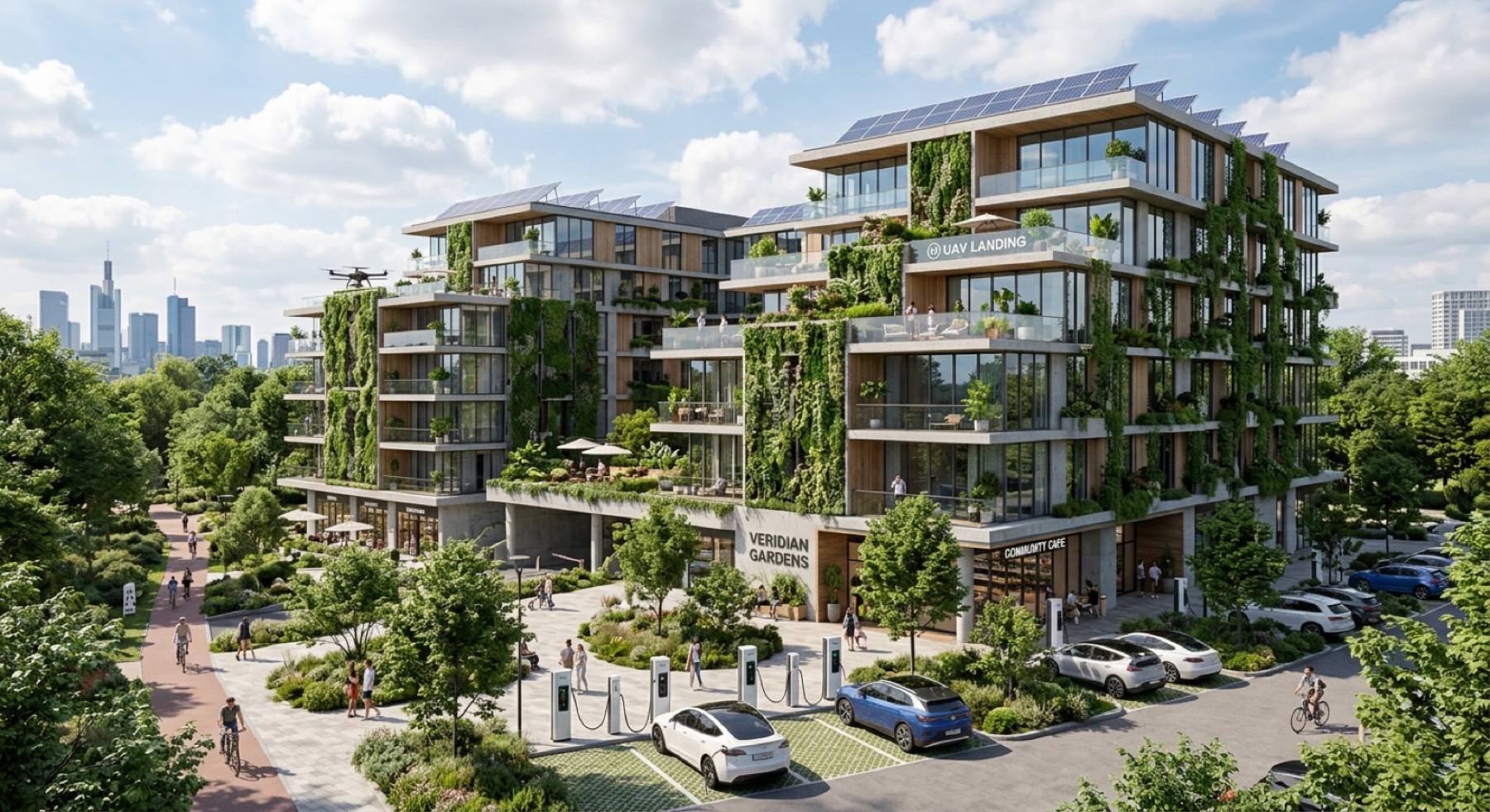
A typical Class A or B multifamily property in 2026 has 300–500 connected devices: smart locks at each unit door, video doorbells, smart thermostats, package lockers, surveillance cameras, smart lighting in common areas, water-leak sensors, fitness-equipment integrations, parking sensors. Affordable housing is moving in the same direction — usually with a more conservative subset, but the same architecture.
Three of those devices on a residential router is fine. Three hundred on a residential router is a help-desk emergency. The network has to be engineered for the density, not retrofitted after the fact.
3. WiFi 6 and WiFi 7
- 3× faster headline speeds vs WiFi 5.
- ~75% lower latency, which is what residents actually feel when streaming or video calling.
- 4× more simultaneous device capacity per AP — the metric that matters in a 300-device building.
- Gigabit-class delivery to every unit, which is the threshold renters now ask about during the tour.
Industry surveys consistently show 86–90% of renters rank reliable connectivity as the most important community feature. For affordable housing, this is also where TCAC broadband scoring intersects — the same WiFi 6/7 upgrade that wins residents earns LIHTC application points.
4. IPTV and bulk streaming
Bulk streaming and IPTV bundles delivered over the property network can generate $10–30 per unit per month in operator revenue, while giving residents a unified video experience that does not require individual subscriptions. The integration assumes a coordinated network — bandwidth shaping, multicast support, and managed QoS on the same infrastructure that handles browsing and IoT.
5. EV charging and energy management
Smart EV chargers require network connectivity for billing, scheduling, dynamic pricing, and load balancing against the building’s electrical service. Operators are charging premium parking fees ($50–150/month) on top of per-kWh pricing. Affordable housing developments are not exempt from this trend — the TCAC sustainability scoring and California building code increasingly assume EV-ready infrastructure.
The foundation underneath all five
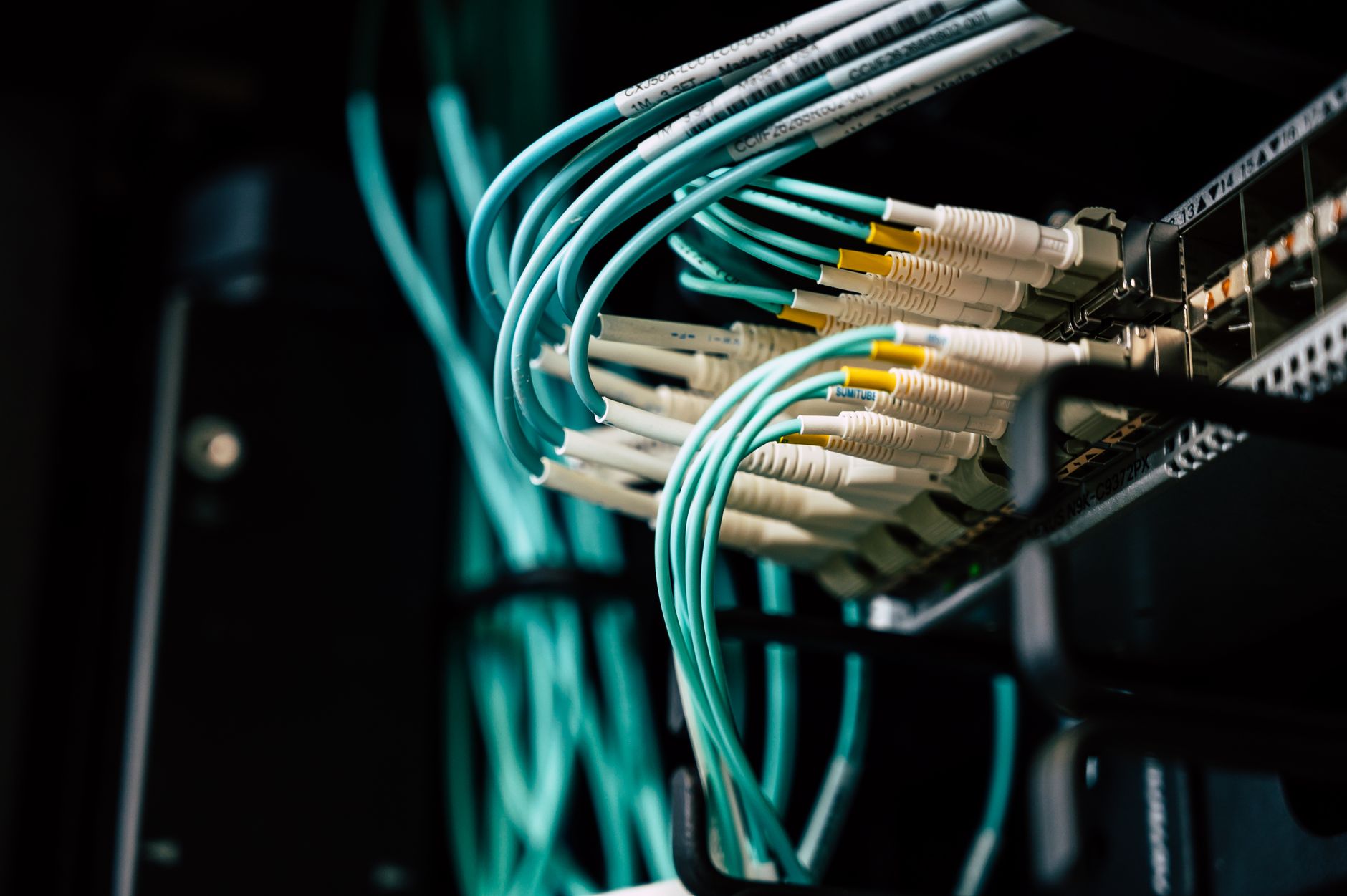
Each of these categories has its own vendor list, its own ROI math, and its own implementation calendar. They share one prerequisite: a fiber-backed, properly designed in-building network. Operators that skip the foundation try to patch the consequences for years afterward — slow leasing inquiries, dropped door-access transactions, IoT sensors going offline, EV chargers that cannot phone home.
Operators that get the foundation right unlock revenue in two directions simultaneously: ISP door fees and profit share from a long-term Right of Entry agreement, and ancillary revenue from every category above. In multiple recent deals, the in-building infrastructure has driven valuation lift at exit on the order of seven figures.