
 05/12/2026
 BUILDLAB
 5 min read
Areas of Refuge & Two-Way Communication: What CBC §1009 Requires
Multi-story buildings frequently need areas of refuge and two-way emergency communication at elevator landings. Here is how California Building Code §1009 works — and why sprinklers change the answer.
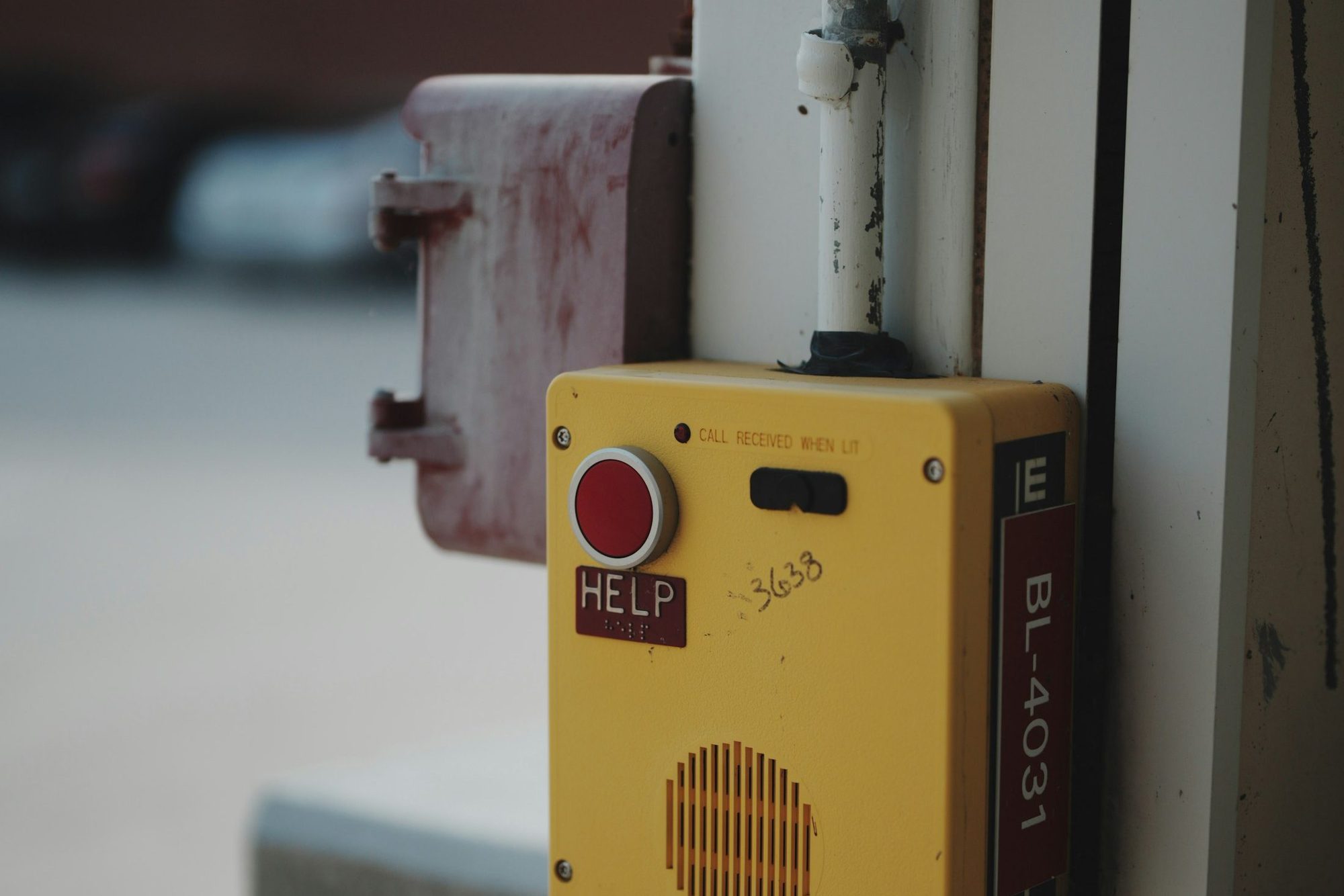
When the alarm sounds, people who cannot use the stairs need a protected place to wait and a way to signal responders. That is what California Building Code §1009 — Accessible Means of Egress — is about, and it drives a pair of requirements that catch developers off guard: areas of refuge and two-way communication systems at elevator landings.
Sprinklers change the answer
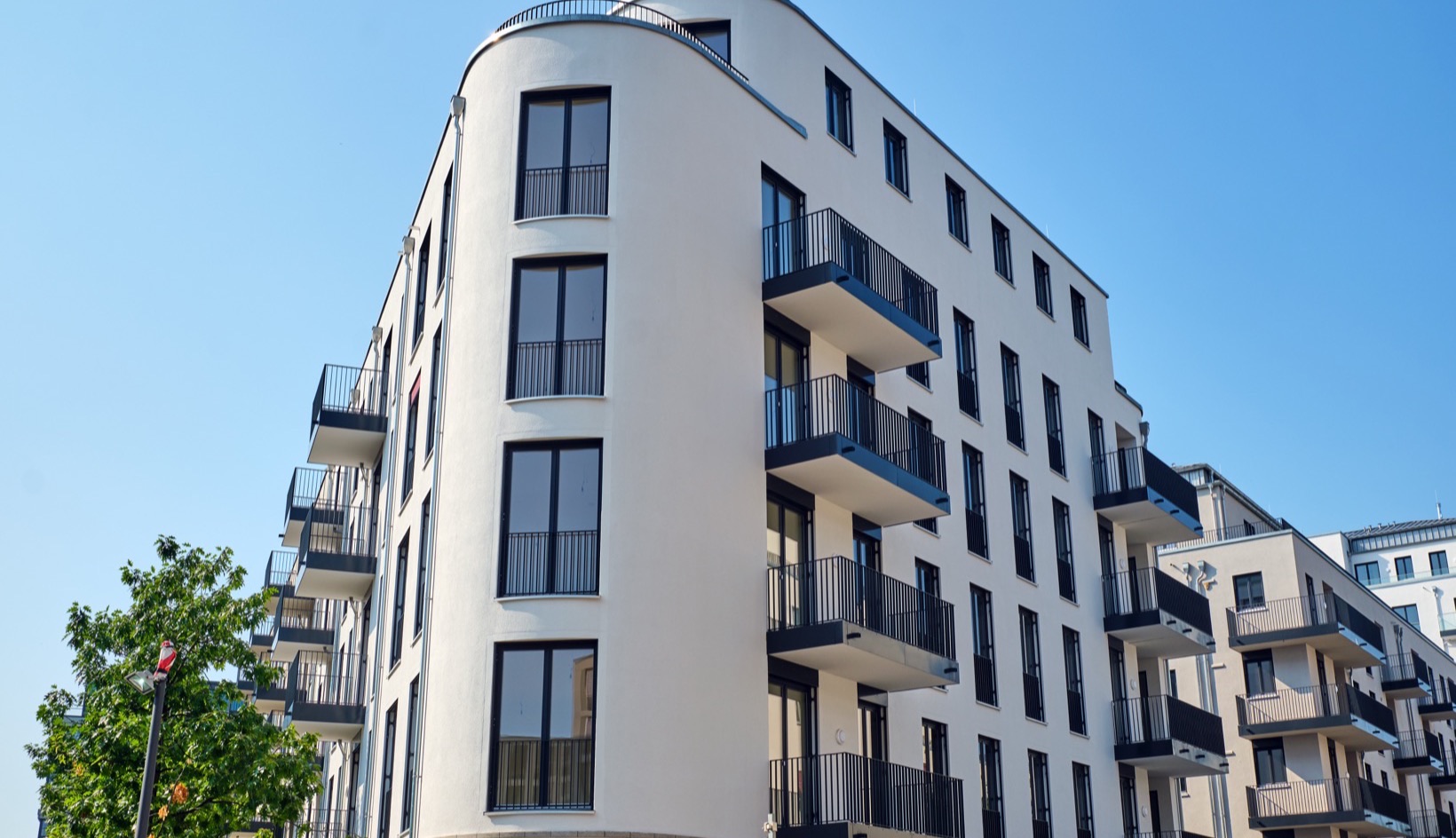
The single biggest factor is whether the building is sprinklered throughout. In a fully sprinklered building (NFPA 13 or 13R), areas of refuge are generally not required at the exit stairways, and elevators need not be reached from an area of refuge. That exception covers most modern multifamily construction.
Why elevator count and floor count matter
Because the requirement attaches to elevator landings on each accessible floor, the number of communication stations you need scales with both your elevator count and your number of stories. A four-story building with one elevator is a very different bill of materials than an eight-story building with three — and that is exactly the kind of thing worth knowing at design, not at inspection.
Check your building
Our Area of Refuge & Two-Way Communication Checker asks for occupancy, number of floors, number of elevator cabs, and sprinkler status, then returns a CBC §1009 read — whether areas of refuge and two-way communication are likely required, and a rough station count.