
 04/08/2026
 BUILDLAB
 5 min read
ISP Right of Entry Agreements: A Negotiation Guide for Multifamily Developers
Door fees, profit-sharing, complimentary community WiFi, and ISP-furnished materials are all on the table. Most developers leave money on it.
Every multifamily project that brings a fiber ISP into the building negotiates a Right of Entry (ROE) agreement. Most developers treat it as paperwork. ISPs treat it as a long-term commercial deal. That asymmetry is where money walks out the door.
What is actually negotiable
- Door fees — one-time per-unit payments from the ISP to the developer.
- Profit sharing — a percentage of ongoing ISP revenue from the building.
- Complimentary community WiFi — hardware and service donated for common areas, leasing office, or amenity spaces.
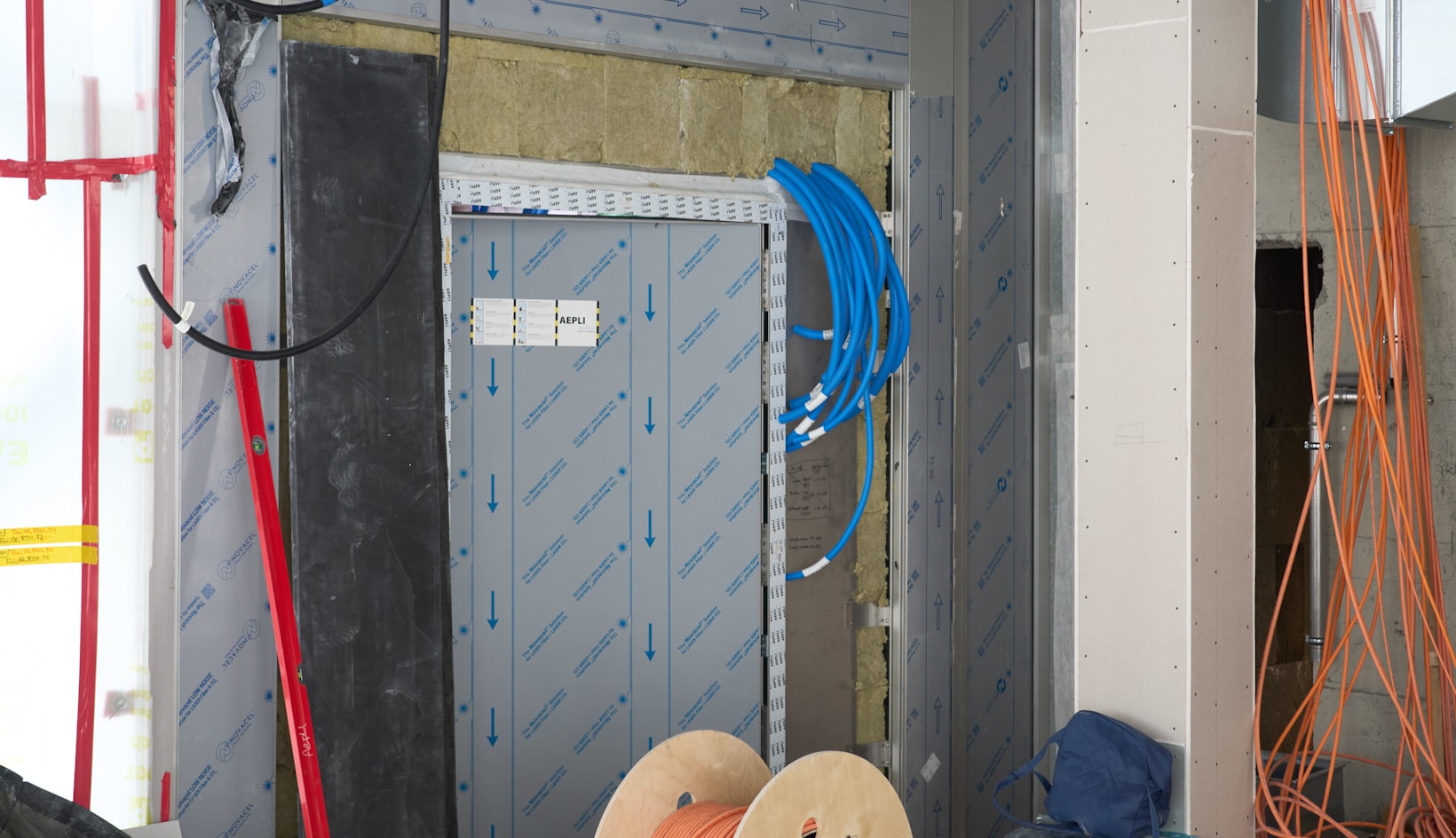
- ISP-furnished materials — microducts, in-unit SMC panels, and fiber that the ISP supplies at no cost to the developer.
- Exclusivity terms and renewal rights.
Tier matters
Most carriers operate on a tier system tied to unit count. A 99-unit project and a 100-unit project can sit on opposite sides of a per-unit pricing cliff, with different door fee and profit-share rates. Knowing the tier breaks before you negotiate is the single biggest lever.
The biggest mistake
Letting the GC or low-voltage sub negotiate the ROE on the developer’s behalf. The sub’s incentives are not aligned with maximizing the developer’s revenue — they want the cabling spec finalized fast so they can bid. A technology consultant who answers only to the developer captures value the sub would never have asked for.