 06/03/2026
 BUILDLAB
 6 min read
California’s 2026 EV Charging Mandate for Multifamily, Explained
The 2025 Title 24 / CALGreen code took effect January 1, 2026 and pushed new multifamily projects toward EV-ready wiring at nearly every assigned stall. Here is what changed, what it costs, and how load management keeps it affordable.
The 2025 edition of California’s Title 24 (Part 6 energy code) and CALGreen took effect on January 1, 2026 — and for multifamily developers, the headline is electric-vehicle infrastructure. The share of parking that has to be wired for EV charging jumped dramatically, and projects scoped under the old code are getting expensive surprises at plan check.
What actually changed
Earlier code cycles required only a fraction of multifamily parking to be EV-capable. The 2025 code moves new multifamily construction toward EV-ready provisions at nearly every assigned residential stall, with a portion of common and visitor parking getting fully installed Level 2 charging equipment (EVSE). The exact percentages and triggers depend on occupancy type and local amendments, so confirm the adopted thresholds with your AHJ — but the direction is unambiguous: far more of your garage has to carry EV capacity than before.
EV-capable vs. EV-ready vs. EVSE-installed
These three terms drive most of the cost confusion, and they are not interchangeable:
- EV-capable — raceway (conduit), panel capacity, and space reserved, but no wire pulled. Cheapest to provide.
- EV-ready — conduit plus branch-circuit wiring and a receptacle or terminated outlet at the stall, ready for a charger. This is the new center of gravity for residential stalls.
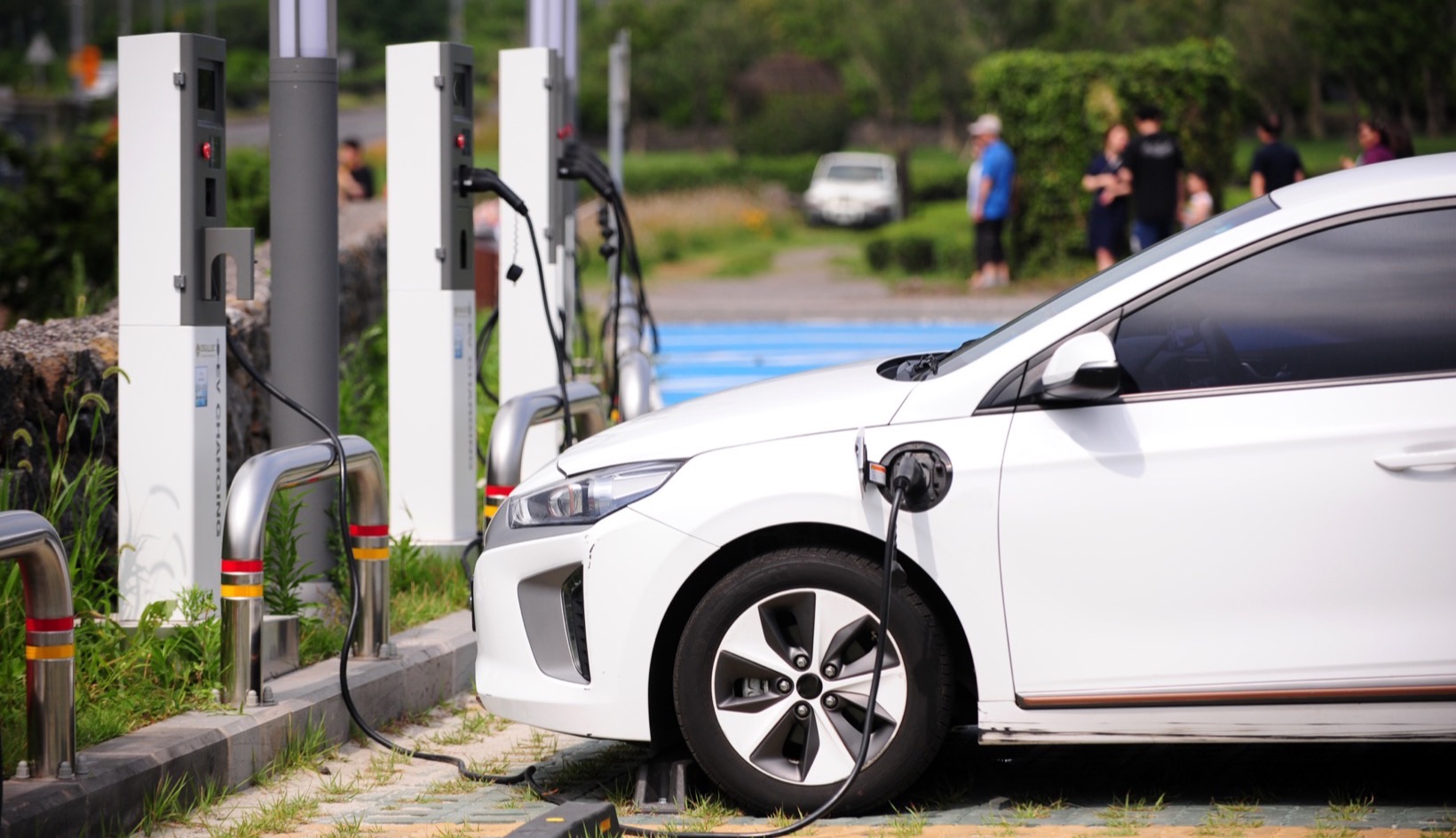
- EVSE-installed — the actual networked Level 2 charger mounted and energized, typical for the required share of common-area and visitor spaces.
How load management (ALMS) keeps it affordable
An Automatic Load Management System lets a site share a limited pool of electrical capacity across many chargers, throttling each one so the building never exceeds its service. Code explicitly allows ALMS to reduce the capacity you must design for — down to a modest per-charger floor — which can be the difference between keeping your existing service and paying for a costly utility upgrade and a larger switchboard. On a 150-unit podium project, designing around ALMS instead of full simultaneous demand routinely avoids six figures of electrical scope.
The low-voltage piece everyone forgets
Networked EVSE and ALMS are not only an electrical scope — they are a connectivity scope. The chargers need a network path, the load-management controller has to reach every port, and the billing and access platform needs reliable backhaul. If the structured cabling, switch locations, and pathways are not coordinated during design, the EV system gets bolted on later at a premium, with conflicts the GC solves in the field.